
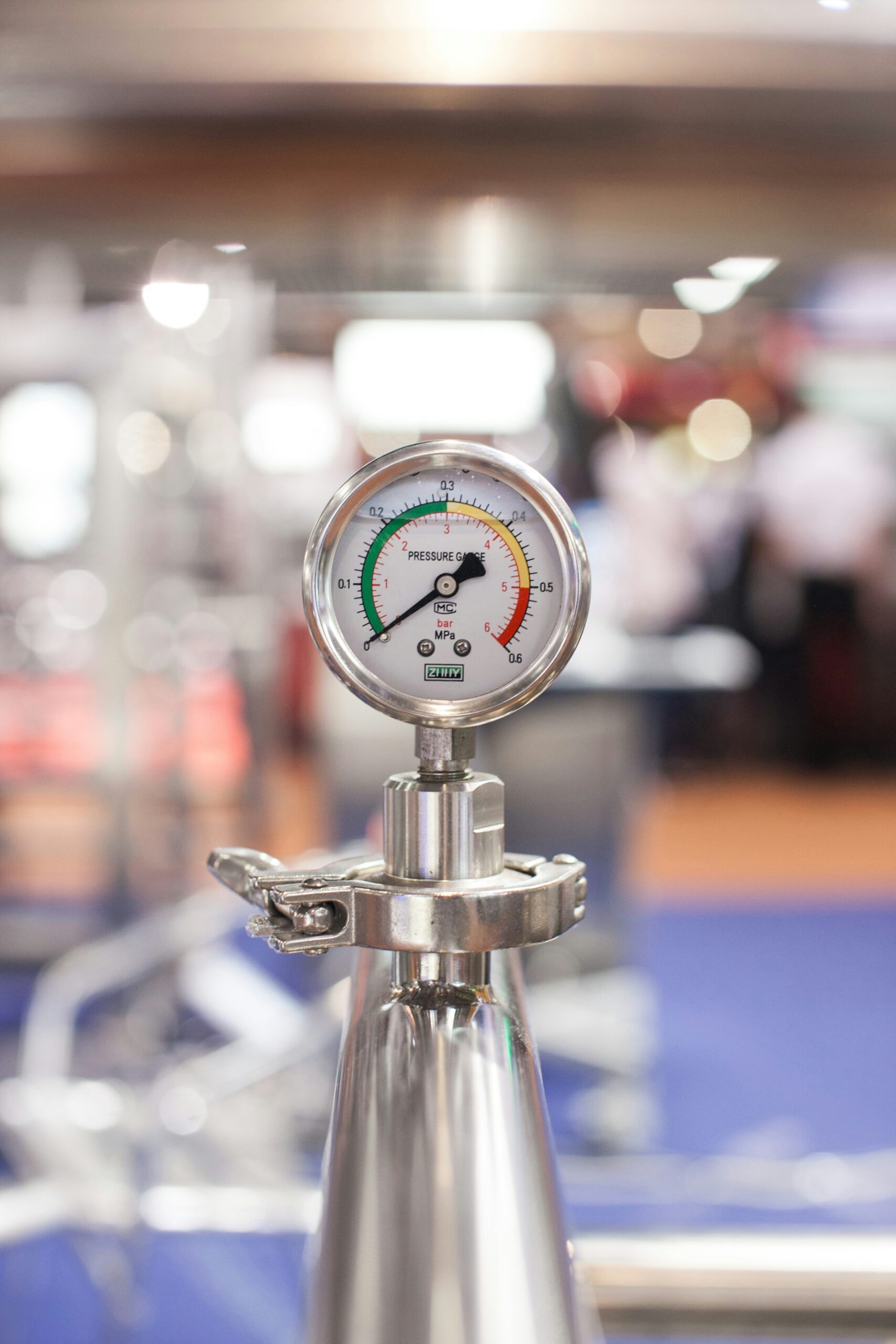
From high-stakes sport to high-stakes business
Pressure is often seen as something to manage, reduce, or avoid. But in reality, pressure is where performance is defined. In elite sport, pressure is not an exception – it’s the norm. And the best teams know they can’t avoid it –so they proactively prepare for it.
What Pressure Reveals
Pressure doesn’t create new behaviors. It exposes existing ones.
In other words, pressure reveals the strength, or weakness of the system.
Training for Pressure
In sports, teams don’t wait until competition to experience pressure. They build it into training.
They simulate high-stakes scenarios.
They practice decision-making under fatigue.
They develop routines to stay focused and reset quickly.
So, when the moment comes, it feels familiar.
What This Looks Like in Business
In business, pressure shows up differently but just as intensely:
Yet few organizations actively prepare their teams for these moments.
Instead, people are expected to “step up” when it matters.
Practical Ways to Build Pressure Readiness
Leaders can start to shift this by:
These don’t need to be complex. They need to be consistent and continuous.
The Leadership Factor
Under pressure, people look to leaders. Not just for direction, but for signals:
Leaders who remain clear, composed, and consistent create stability. Even in uncertainty.
Bringing it All Together
Pressure is not something to eliminate. It’s something to be ready for.
The teams that perform best are not those who avoid it, but those who prepare for and know how to operate within it.
So, here’s the question worth asking:
When the pressure hits your team, does performance rise – or does it unravel?


