
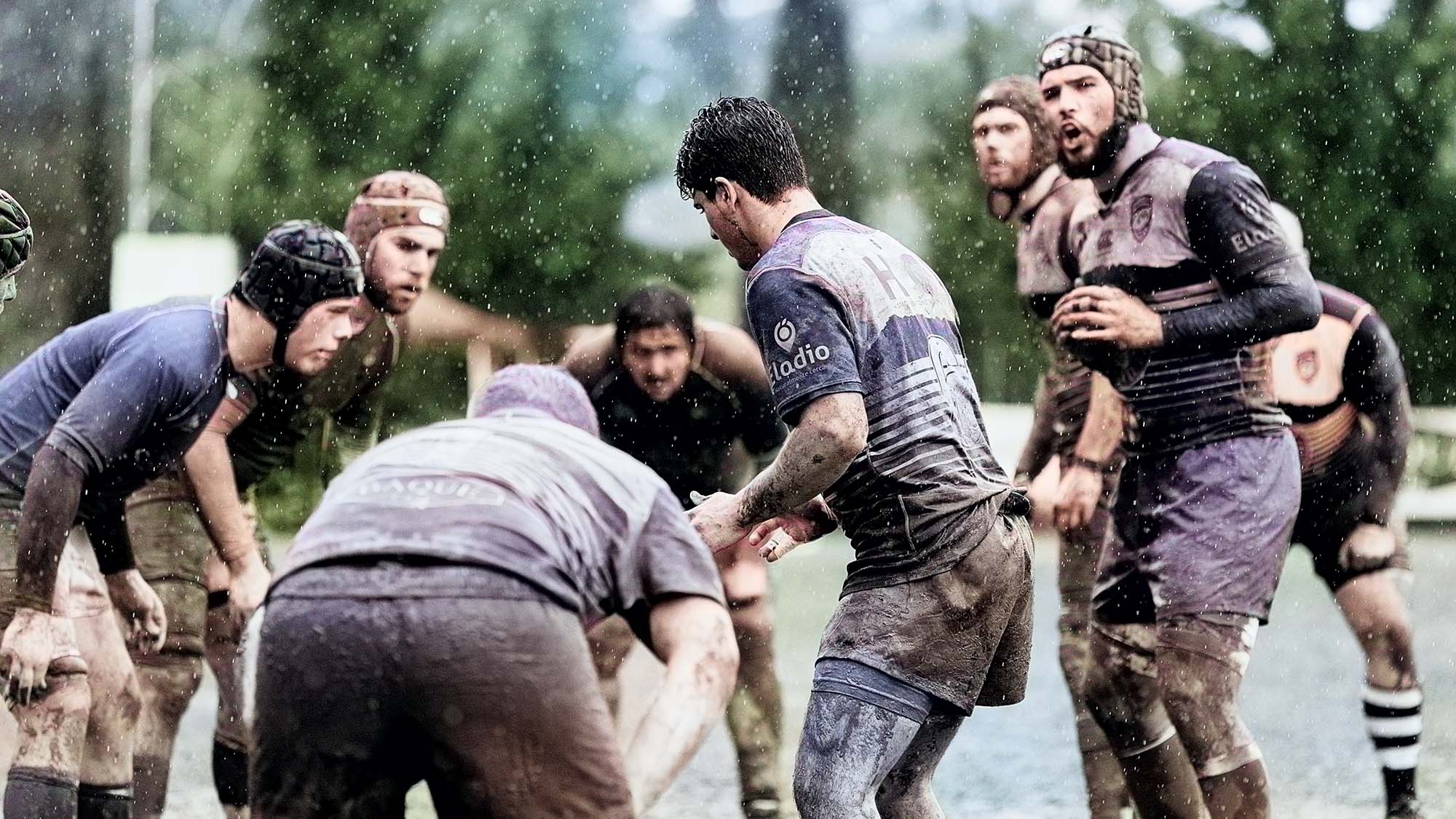
What elite sport teaches us about designing the conditions for resilience, clarity, and sustained performance in business.
When we think of high performance, our minds often jump to elite athletes: Olympic champions, World Cup winners, individuals and teams who seem to rise above the rest. But what we don’t always see is the truth behind the medals – that performance at that level is never left to chance.
Behind every moment of brilliance lies hours of deliberate preparation. Clear roles. Strong cultures. Relentless coaching. Systems that make performing under pressure possible. Talent is just the starting point, the winning edge is built, not found.
In business, the same principle applies. Too often, organizations assume that if they hire brilliant people, high performance will naturally follow. But in reality, without clarity, alignment, and systems to support them, even the most talented teams can stall. Miscommunication creeps in. Energy scatters. Potential is left untapped.
At Bia Mindset, we’ve seen firsthand that creating high performance is both art and science. It’s about intentionally designing the conditions that allow people to do their best work. And just like in elite sport, it starts with three essentials: resilience, alignment, and process.
1. Build resilience that goes beyond “coping”
Resilience is often misunderstood as simply “pushing through” or “toughing it out.” It’s actually the ability to perform at your best under pressure, to recover quickly from setbacks and maintain focus when the stakes are high.
In sport, athletes train for pressure moments long before they face them in competition. They simulate high-stakes situations, practice recovery routines, and learn to regulate their emotions.
In business, leaders can do the same by:
2. Align people around a shared purpose
Elite teams rarely leave clarity to chance. Everyone knows the goal. Everyone understands their role in achieving it. Everyone’s energy is pulling in the same direction.
In business, lack of alignment is one of the biggest drains on performance. Leaders may think they’re being clear, but teams are often left guessing what truly matters most. To create alignment:
When alignment is strong, decision-making gets faster, silos disappear, and collaboration improves, because everyone is playing the same game.
3. Embed processes that make performance repeatable
High-performing teams are not just brilliant once, they’re brilliant consistently. That consistency doesn’t happen by accident. It happens because they have processes that make great performance the default.
Think about an elite sports team: warm-ups, playbooks, recovery protocols. All designed to minimize friction and maximize focus. In business, you can create the same conditions by:
Strong processes don’t stifle creativity; they make it easier for people to channel their energy into impact rather than firefighting.
The human element
At the heart of all this are people. Processes and systems are nothing without the right mindset and trust between team members. Building high performance is about combining clarity, empowerment, and support so individuals feel capable of doing their best work and willing to give their best effort.
That means leaders must be intentional about the environment they create. Are you encouraging open dialogue? Are you giving people space to contribute ideas? Are you modeling the behaviors you want to see?
Bringing it all together
High-performing teams are not born – they are built, deliberately and consistently. Like an elite athlete’s training program, this work takes investment, focus, and discipline. But the payoff is worth it: higher engagement, better decision-making, stronger results, and a team that thrives together even in moments of pressure.
So, here’s the question for you as a leader: are you building the conditions for high performance in your teams, or leaving it to chance?


