
From bouncing back to bouncing forward. How to prepare your people and culture to thrive through change.
Change is no longer the exception. It’s the norm. Economic shifts, technological leaps, global crises, and hybrid working models – organizations today operate in an environment of constant disruption. For leaders, the question isn’t if disruption will come, but how prepared are we when it does?
Traditionally, resilience has been understood as an individual trait: grit, toughness, the ability to “cope.” But this view is too narrow. Resilience isn’t just about how one person manages stress, it’s about how an entire organization adapts, recovers, and grows stronger in the face of challenge.
At Bia Mindset, we call this bouncing forward. Not simply surviving challenges, but using them as fuel to emerge stronger, more adaptable, and better prepared for the future.
Why individual resilience isn’t enough
In recent years, businesses have invested heavily in wellbeing initiatives and resilience training at the individual level. While these efforts are valuable, they often fall short for one simple reason: they don’t address the system. You can’t expect employees to thrive under pressure if:
True resilience is more than asking people to “be tougher.” It’s about designing an environment where individuals and teams have the clarity, tools, and support they need to perform under pressure.
Lessons from sport: resilience as a collective strength
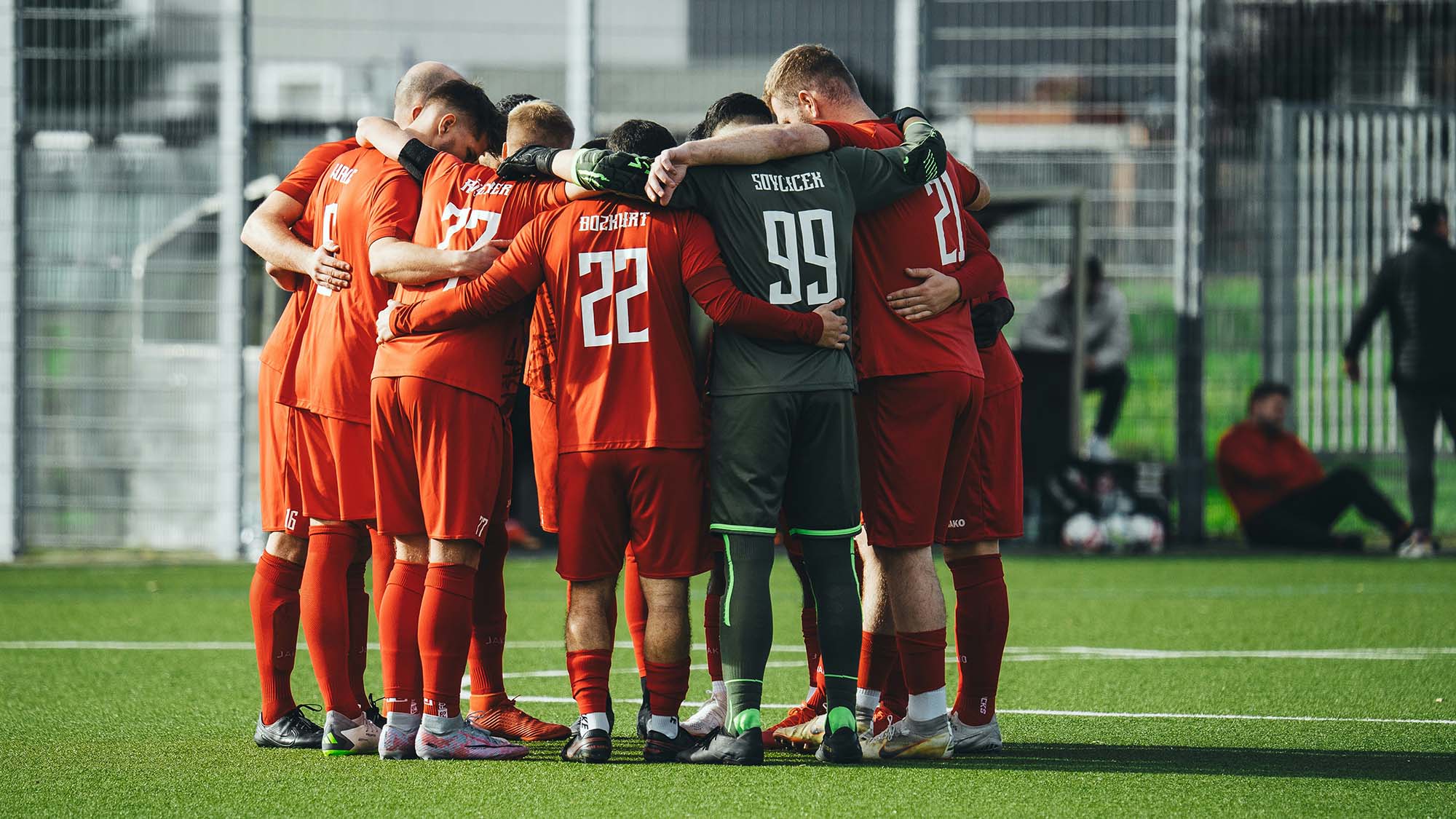
Sport offers a clear lens on this principle. When a team suffers a setback; a last-minute injury, a goal conceded, a disappointing result, it isn’t one player’s grit alone that turns things around.
It’s how the team rallies together, re-centers on purpose, and adapts to the new reality.
Take the U.S. Women’s National Team, for example. Over the years, they’ve faced transitions in leadership, player rotations, and mounting global competition. Their ability to regroup and reassert themselves after setbacks has come not from individual brilliance alone, but from a shared culture of trust, unity, and adaptability.
Business is no different. Organizations that thrive under pressure are those that treat resilience as a team and cultural capability, not just an individual one.
The three pillars of organizational resilience
Through our work with leaders and teams, we’ve found that organisational resilience rests on three critical pillars: purpose, adaptability, and psychological safety.
1. Clear and compelling purpose
Resilience begins with clarity of purpose. When people understand why their work matters, they are more willing to push through obstacles, stay focused under stress, and adapt when conditions change. Practical steps for leaders:
2. Built-in adaptability
Organizations often stumble not because of the change itself, but because of rigidity. Teams that cling to old ways of working, outdated processes, or fixed mindsets are less able to adjust. Practical steps for leaders:
3. Psychological safety
People can’t be resilient if they feel unsafe. Teams need an environment where they can admit mistakes, ask questions, and raise concerns without fear of blame or consequence. Practical steps for leaders:
What resilient organizations do differently
Resilient organizations don’t simply react to disruption – they anticipate it. They make resilience part of their culture, not a crisis response. Here’s how:
The shift from “bouncing back” to “bouncing forward”
The ultimate test of resilience is not whether an organization can endure hardship. It’s whether it can emerge stronger because of it.
Resilient organizations don’t just recover to where they were before disruption hit. They use disruption to clarify purpose, improve systems, and strengthen culture. They bounce forward.
And in a world where disruption is only accelerating, that ability is not just an advantage. It’s a necessity.
So, here’s the question worth reflecting on as a leader: Is resilience in your organization a buzzword on a slide deck, or a lived capability built into your people, processes, and culture?


